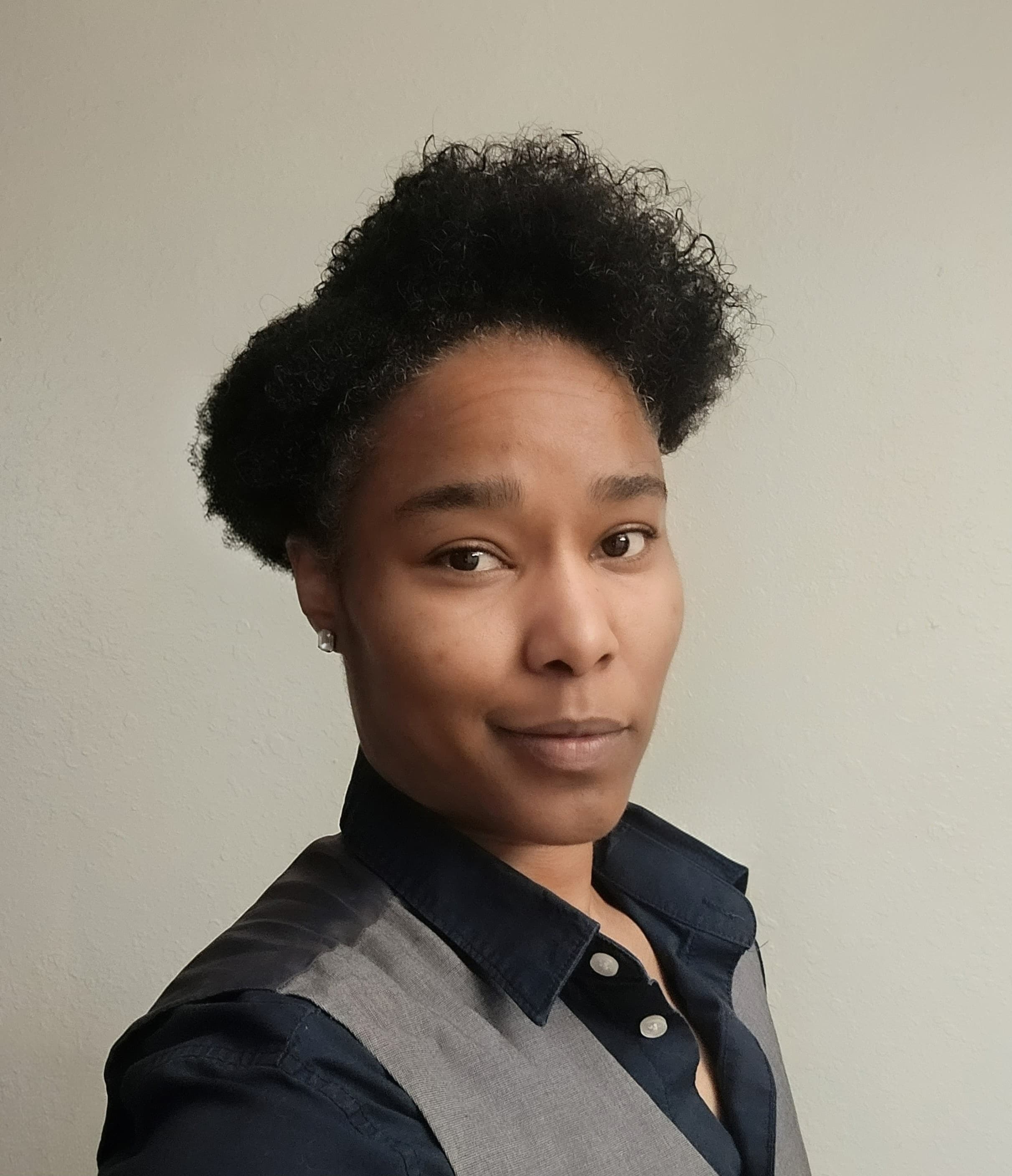
Portrait of Bianca White
Wealth Consulting — U.S. Markets

Bianca White

Five conversations about money that were never really about money — the moments behind the signatures, told the way they happened.

Watch

A word, from Bianca

Before the stories — hear it in her own voice.

Five Meetings

What people are really deciding

Every one of these conversations started with a number. None of them ended there.

One day, an elegant, kind-hearted older woman came to see me. She and her husband had owned and operated a pharmacy for many years in the Prudential Center in Boston. After he passed away, she sold the business and was left with about $300,000 that she wanted to invest.

Every time we discussed an investment opportunity, she would quietly say,

"I need a little more time to think about it."

After hearing the same response several times, I realized this wasn't really about money. So I asked her gently — what is the hardest part of making this decision?

She burst into tears.

"It's not the money," she said. "The moment I invest it, I'll have to admit to myself that my husband is really gone. As long as the money stays exactly where it is, I can still pretend that my old life somehow still exists."

I closed my laptop. I looked at her and said, "Today we're not going to make an investment decision. Today we're simply going to honor what you're going through."

Instead of talking about money, we talked about her husband — a remarkable man by every measure. For more than two hours, she shared stories, memories, and emotions she had been carrying inside. We didn't sign anything that day.

Two weeks later, she came back. She was calmer, more at peace, and ready. She made the investment.

After we finished the paperwork, she looked at me and said,

"You're the first person who didn't try to manage my money before taking the time to understand my heart."

My job isn't to persuade people to invest. My job is to understand what's keeping them from making a decision.

One day, a well-known professional soccer player from FC Dallas walked into my office with his father. His dad immediately struck me as someone who didn't take life too seriously — a warm smile, an easy laugh, the kind of personality that made everyone around him feel comfortable.

As soon as we sat down, he smiled and said,

"I want to give my son a gift. I want to invest five million dollars in the renovation of a soccer stadium. They're looking for investors."

His son lit up. Soccer was his entire world. He talked with genuine excitement about staying connected to the game long after his playing career ended. You could tell it wasn't just a sport to him — it was his life. His father hardly said a word.

For almost an hour, we went through projections, numbers, and investment details. Finally, I turned to his father. "What do you think?"

He smiled. "I'm not afraid of the investment."

I looked at him and asked, "Is there something you are afraid of?"

He laughed, stood up, put his arm around his son, and said,

"My whole life I've taught him not to chase money. Now I'm afraid that money might start chasing him."

We all laughed. Then I turned to his son. "If your father weren't sitting here today, would you still make the same investment?"

He didn't answer. For a long moment, he just sat there thinking. Finally, he said quietly, "I don't know."

His father gently brushed his son's hair back, smiled at me, and said,

"If this young lady isn't in a hurry to take our money… maybe we should slow down and listen to her."

Sometimes the most important part of an investment isn't the opportunity. It's making sure the decision truly belongs to the person making it.

A client once came to me and said, "I want to invest one million dollars in Databricks. I believe it's one of the most promising AI companies in the world. I'm almost certain Databricks is the next big thing in artificial intelligence."

I didn't interrupt. I didn't try to change his mind. I simply went with where he was.

We reviewed all the numbers. Everything was ready. All that was left was his signature. Just then, his phone rang. I glanced at the screen — Dad. He looked at it, silenced the call, and kept talking. A minute later, it rang again. He silenced it again.

I said, "I can wait."

He looked at me as if I'd just given him permission he didn't realize he needed. He stepped outside. About thirty minutes later, he came back. He sat down quietly and said,

"That was the most honest conversation I've had with my dad in years."

Then he picked up the pen and signed. As he stood to leave, he smiled and said,

"It's strange… I came here to talk about money, but somehow I left feeling like a son again."

Since that day, I've realized that sometimes the best advice you can give isn't advice at all. Sometimes, it's simply knowing when to stay silent.

A couple came to see me. They seemed a little hesitant. They wanted to buy an investment property in a neighborhood that wasn't fully developed yet.

Time went by. Everything was ready. The financing had been approved. The attorneys had finished their work. All that was left was to sign. But at every meeting, the husband found one more thing to check. One more document. One more opinion. One more week.

One day, instead of going over the numbers again, I asked him, "What would you need to feel completely at peace with this decision?"

He smiled awkwardly and said,

"My whole life, I was taught that if you trust too easily, you get hurt."

I didn't try to convince him. I simply asked, "And how many opportunities have you missed because you couldn't trust?"

He didn't answer. His wife looked at him and quietly said, "Too many." The room fell silent. A few minutes later, he picked up the pen and signed.

As we walked toward the door, he turned to me and said,

"It wasn't the building that was holding me back. I was holding myself back."

Sometimes people don't buy real estate because they're convinced. They buy when they finally feel at peace.

On a flight a few years ago, a man sat down next to me with the kind of confidence that didn't leave much room for conversation. After a few minutes, he turned to me and asked, "So, what do you do?"

I gave him the short version. He took a deep breath, straightened up with the posture of someone very used to being the most successful person in the room, and asked, "What field?"

I replied, "I work with investment funds focused on youth sports and financial literacy." He let out a faint grunt — the kind that says, that's nice… what else?

"So… what else?" he pressed.

"I also manage supply chain operations for one of the largest energy companies."

He wasn't done. "What else?"

"ETFs, mutual funds, and ESG investments."

Every question sounded less like curiosity and more like a pop quiz. My answers stayed short. My patience did too.

After a moment, he looked at me, smiled, and said, "Well… I wasn't expecting that."

I smiled back. "To be honest, I wasn't expecting a job interview in the middle of a flight."

He finally let out the breath he'd been holding. "Can I become your client?"

"Of course. But first, let's get to know each other. Money is always the easy part."

He handed me his business card and said he'd like to continue the conversation at my office. We ended up working together for the next four years, managing ETFs, mutual funds, and ESG investments.

When we eventually parted ways, he leaned over and whispered, "Can you sell me your calm and your composure?"

I smiled. "I don't sell peace of mind. I'm just trying not to lose mine."

Start a Conversation

Every portfolio starts with a person. Let's talk about yours.